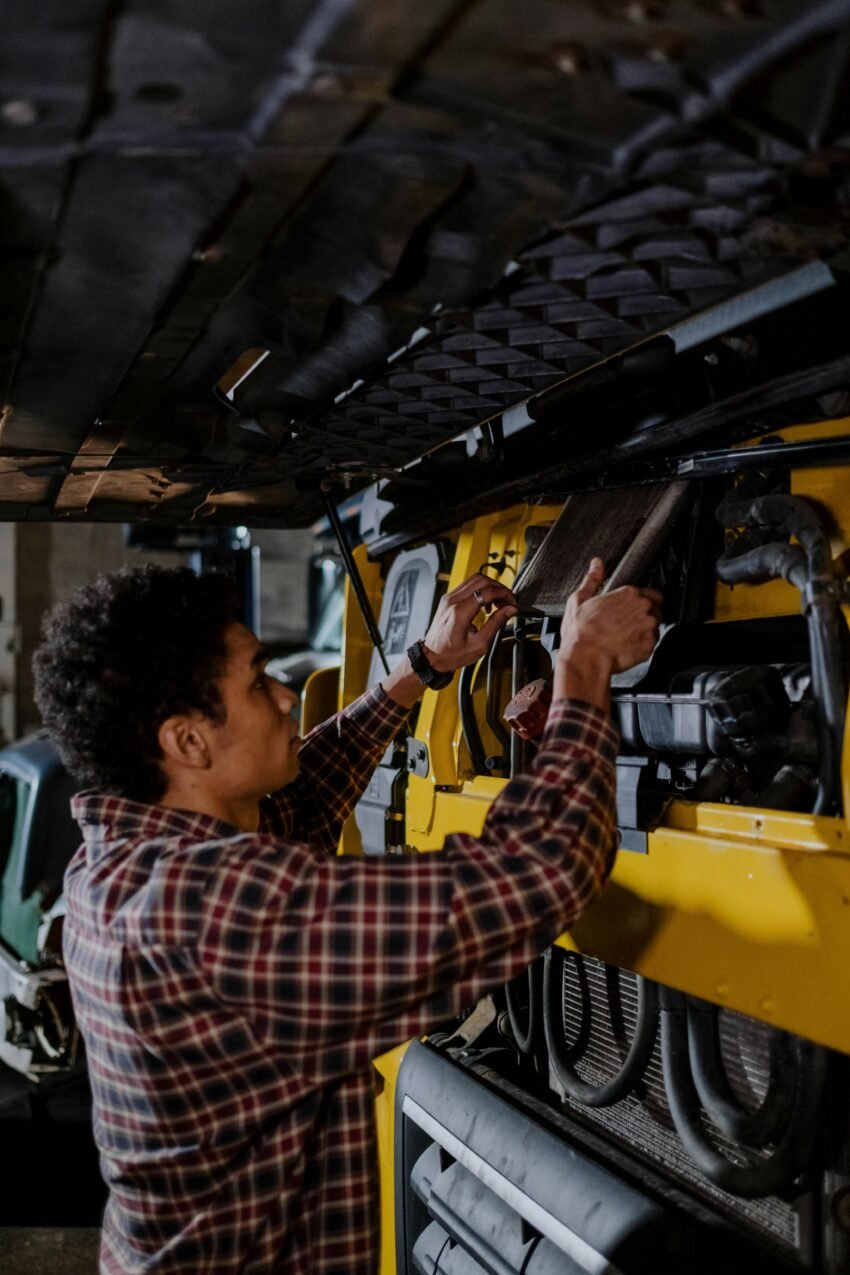
Diesel engines are known for their durability, fuel efficiency, and torque, making them the preferred choice for trucks, heavy machinery, and off-road vehicles. However, like any engine, diesel engines can develop issues over time. Whether it’s hard starting, excessive smoke, or fuel system failures, understanding these problems and their solutions can help extend engine life and prevent costly repairs.
In this guide, we’ll cover the most common diesel engine problems, their causes, and how to fix them.
1. Hard Starting or No Start
Symptoms:
🚫 Engine cranks but doesn’t start
🚫 Long cranking time before ignition
🚫 Requires multiple attempts to start
Possible Causes:
- Weak or faulty glow plugs (especially in cold weather)
- Low fuel pressure due to a failing fuel pump
- Air leaks in the fuel system
- Bad battery or starter motor
How to Fix It:
✅ Test and replace glow plugs if necessary
✅ Check fuel lines for leaks or air bubbles
✅ Inspect the fuel pump and replace if it’s not providing adequate pressure
✅ Ensure the battery is fully charged and the starter is working correctly
2. Excessive Black Smoke from Exhaust
Symptoms:
💨 Thick black smoke when accelerating
💨 Strong diesel odor from exhaust
💨 Reduced fuel efficiency
Possible Causes:
- Dirty or clogged air filter
- Faulty EGR (Exhaust Gas Recirculation) valve
- Over-fueling due to bad fuel injectors
- Excess carbon buildup in the intake manifold
How to Fix It:
✅ Replace the air filter if dirty or clogged
✅ Clean or replace the EGR valve to ensure proper airflow
✅ Check and clean fuel injectors for proper fuel delivery
✅ Use a fuel system cleaner to remove carbon buildup
3. White Smoke from Exhaust
Symptoms:
💨 Continuous white smoke when idling
💨 Strong coolant or burning oil smell
💨 Engine overheating
Possible Causes:
- Coolant leak into the combustion chamber (head gasket failure)
- Injector timing issues causing incomplete combustion
- Low compression due to worn piston rings or valves
How to Fix It:
✅ Check coolant levels and look for leaks in the radiator or head gasket
✅ Inspect the fuel injectors and adjust timing if needed
✅ Perform a compression test to diagnose internal engine wear
4. Blue Smoke from Exhaust
Symptoms:
💨 Blue-tinted smoke when accelerating
💨 Excessive oil consumption
💨 Oily residue on the exhaust tip
Possible Causes:
- Worn piston rings or valve seals, causing oil to burn
- Overfilled engine oil leading to excessive crankcase pressure
- Faulty turbocharger seals, leaking oil into the intake
How to Fix It:
✅ Check and correct oil levels if overfilled
✅ Inspect piston rings and valve seals for wear and replace as needed
✅ Check the turbocharger for leaks and replace seals if necessary
5. Loss of Power or Poor Acceleration
Symptoms:
🚗 Sluggish response when pressing the accelerator
🚗 Poor towing performance
🚗 Higher-than-normal fuel consumption
Possible Causes:
- Clogged fuel filter, restricting fuel flow
- Turbocharger failure, causing a loss of boost pressure
- Faulty mass airflow sensor (MAF)
- Blocked EGR system, limiting airflow
How to Fix It:
✅ Replace the fuel filter regularly to ensure proper fuel flow
✅ Inspect the turbocharger for leaks and replace if not boosting correctly
✅ Clean or replace the MAF sensor to optimize air-fuel mixture
✅ Check the EGR valve and clean or delete if causing restrictions
6. Diesel Engine Overheating
Symptoms:
🔥 Temperature gauge reading higher than normal
🔥 Coolant boiling over
🔥 Engine warning lights or shutdown
Possible Causes:
- Low coolant levels or leaks in the cooling system
- Faulty thermostat causing restricted coolant flow
- Clogged radiator reducing cooling efficiency
- Bad water pump failing to circulate coolant
How to Fix It:
✅ Check coolant levels and look for leaks in hoses and the radiator
✅ Test and replace the thermostat if it’s stuck closed
✅ Flush the radiator to remove debris and improve cooling efficiency
✅ Replace the water pump if it’s not circulating coolant properly
7. Fuel Contamination Issues
Symptoms:
⛽ Loss of power and poor fuel economy
⛽ Engine misfires or stalling
⛽ Excessive exhaust smoke
Possible Causes:
- Water contamination in the fuel tank
- Bacterial growth (diesel algae) in the fuel system
- Dirty or clogged fuel filter
How to Fix It:
✅ Drain and replace contaminated fuel
✅ Use diesel fuel additives to prevent algae and moisture buildup
✅ Replace fuel filters regularly to keep the system clean
8. Turbocharger Failure
Symptoms:
🚀 Whining or rattling noise from the turbo
🚀 Black smoke from the exhaust
🚀 Loss of boost pressure and acceleration
Possible Causes:
- Oil starvation, leading to premature turbo wear
- Excessive boost pressure, causing stress on turbo bearings
- Dirty or clogged intercooler, restricting airflow
How to Fix It:
✅ Check and maintain proper oil levels to prevent turbo wear
✅ Inspect the intercooler and clean it for optimal airflow
✅ Replace worn turbocharger components if necessary
9. Rough Idle and Engine Vibration
Symptoms:
🛑 Engine shakes or vibrates excessively at idle
🛑 Uneven power delivery
🛑 Engine misfires
Possible Causes:
- Bad fuel injectors, causing uneven combustion
- Worn engine mounts, leading to excessive vibration
- Incorrect engine timing
How to Fix It:
✅ Test and replace faulty fuel injectors
✅ Check engine mounts and replace if worn
✅ Ensure proper timing adjustments for smooth operation
10. Diesel Engine Stalling
Symptoms:
🚨 Engine shuts off unexpectedly
🚨 Hard to restart after stalling
🚨 Warning lights on the dashboard
Possible Causes:
- Low fuel pressure due to a failing pump
- Faulty fuel injectors causing misfires
- Clogged fuel filter blocking fuel flow
How to Fix It:
✅ Inspect and replace the fuel pump if not maintaining pressure
✅ Replace clogged fuel filters regularly
✅ Check for air leaks in the fuel system
Final Thoughts: Keeping Your Diesel Engine in Top Shape
Diesel engines are built for longevity and reliability, but regular maintenance and timely repairs are essential to keeping them running smoothly. By identifying common diesel engine problems early, you can avoid costly breakdowns and extend engine life.
Preventative Maintenance Tips:
✔ Regularly change oil and fuel filters
✔ Use high-quality diesel fuel and additives
✔ Monitor turbo boost levels and exhaust smoke
✔ Keep the cooling system clean and functional
By staying proactive, you can keep your diesel engine running efficiently and avoid major mechanical issues down the road!